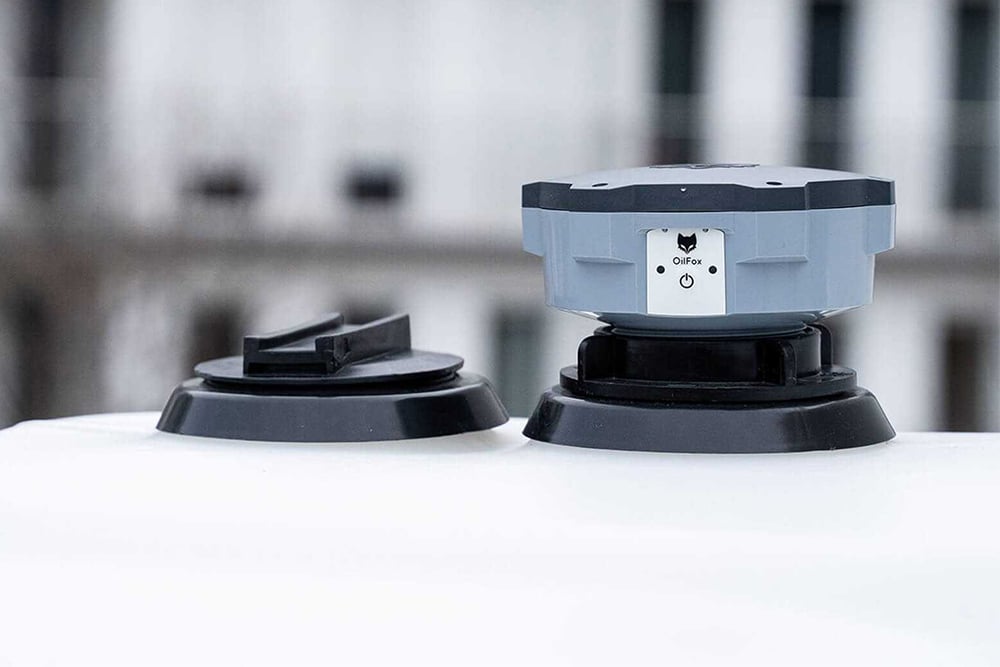
If you heat with oil, you need to keep an eye on the tank level. That’s the only way to know early enough when to reorder and how much. A reliable gauge makes it easier to monitor consumption and helps you order more heating oil in a timely manner. If the measuring system is outdated, inaccurate, or has failed completely, the question quickly arises as to whether you can retrofit a heating oil tank level gauge. In the following article, you’ll learn about the different options available, what to keep in mind during installation, and when a simple float-based solution or a digital display with wireless connectivity and an app is a better choice.
What options are available?
Without a reliable gauge on the oil tank, the remaining fuel level is often just an estimate. Faulty measuring equipment, opaque tank walls, or a missing connection after a tank replacement are typical reasons why homeowners want to retrofit a level gauge on their oil tank. In many cases, retrofitting is possible without major modifications.
Three factors are key: Is there an available port on the tank? Should the gauge be mounted directly on the tank or be readable from inside the home? And how much effort are you willing to put into remote monitoring? Based on these questions, you can assess whether a simple float-based solution is sufficient or if an ultrasonic system with a wireless display makes more sense.
Three Ways to Retrofit
| Option | How it works | Particularly suitable if ... |
| Mechanical (float) | Float on the oil, scale on the tank | there is an available connection and you take readings on-site |
| Pneumatic / electronic (float) | Float or pressure measurement, value displayed digitally | you want to conveniently read the fill level from inside the building |
| Ultrasonic | Sensor measures the distance to the oil surface, often transmitted wirelessly to the house | You want to monitor the fill level via radio, display, or app |
If a suitable connection is missing, special float or sensor systems may be an option, depending on the tank design. The manufacturer’s specifications and the available connection options are decisive in this regard.
What to Look for Before Buying
Before retrofitting a heating oil level gauge, you should consider the following aspects during planning:
- Connection and Installation: An unobstructed tank filler neck makes retrofitting the easiest. Connections and openings on the heating oil tank must be installed properly and remain permanently sealed. If in doubt, always consult a heating or tank specialist.
- Liters or Centimeters: Not every gauge displays liters directly. If only a height measurement is available, a conversion chart must be affixed to the tank. This allows you to correctly read the remaining quantity and maximum fill level.
- Convenience and Planning: Mechanical gauges are inexpensive to purchase and require no electricity. Ultrasonic systems with a display or app cost more, but they save you a trip to the basement and make it easier to plan your fuel consumption throughout the heating season.
Keep an eye on the fill level, stay on top of your orders
If you know your tank level reliably, you can better estimate your needs and plan when to reorder well in advance. This gives you enough time to monitor current heating oil prices and compare suppliers.
Plan for a sufficient reserve so that you have enough heating oil even in the event of higher consumption or longer delivery times. During the heating season, the tank level should be checked regularly. How often this is necessary depends on the tank size, consumption, and weather conditions. You should have dirty or stuck gauges checked promptly, as incorrect readings can lead to orders that are too small or unnecessarily large.
Once the tank level can be reliably read, you can accurately determine the amount needed and order heating oil in a timely manner. MB Energy coordinates heating oil delivery based on the delivery location, order quantity, and available time frame.