
Arcadia eFuels and MB Energy will work together to build eSAF supply chains for European aviation
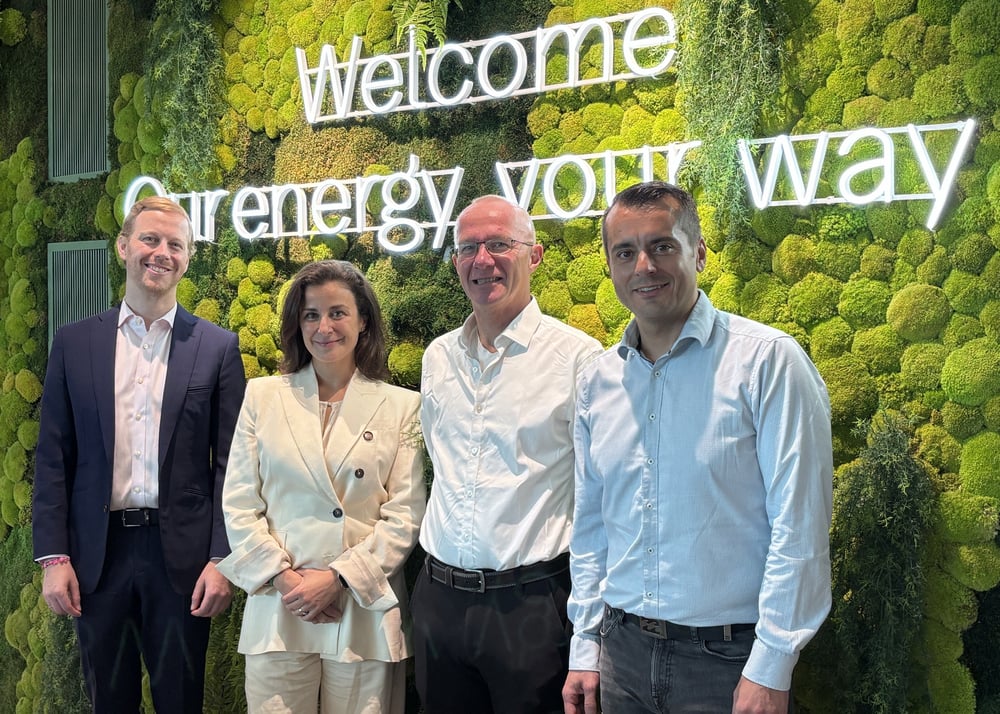
Arcadia eFuels, MB Energy and enport, have aligned to establish an end-to-end supply chain for synthetic aviation fuels (eSAF), supporting the reduction of carbon emissions in the aviation sector. The joint framework reflects the full value chain from Power-to-Liquid production to final into-plane delivery. Overall, the collaboration supports the long-term carbon reduction of aviation in Europe.
Arcadia eFuels, a leading developer of electric synthetic aviation fuel (eSAF), and MB Energy, an independent integrated energy company, have signed a Memorandum of Understanding (MoU) to explore opportunities for commercial and operational collaboration that support the development of a European eSAF value chain.
Amy Hebert, CEO of Arcadia eFuels, said: "Commercializing eSAF requires more than producing sustainable fuel; it requires a full value chain. MB Energy's expertise in fuel logistics, storage, blending, and distribution makes them an ideal partner as we work to connect production with the aviation market. Together, we're helping build the infrastructure needed to scale eSAF across Europe."
Jonathan Perkins, CEO of MB Energy, said: "The future success of synthetic aviation fuels will depend on strong cooperation across the entire value chain. Arcadia brings production expertise, while MB Energy contributes infrastructure, logistics, market access and customer relationships. Together, we aim to explore how scalable and reliable eSAF supply chains can be established for the European aviation market."
The MoU establishes a framework for assessing several areas of potential cooperation. The companies will focus on MB Energy's role as an offtake and distribution partner for eSAF volumes from Arcadia eFuels' project portfolio while defining an end-to-end logistics concept covering transportation, storage, blending, and delivery into key aviation markets.
As demand for synthetic aviation fuel continues to grow and regulatory frameworks accelerate the transition to lower-carbon aviation, commercial success will increasingly depend on connecting production with reliable routes to market. Through this collaboration, Arcadia eFuels and MB Energy aim to evaluate how supply chain solutions can improve market readiness, expand access to eSAF, and support Europe's long-term aviation carbon reduction ambitions.
The agreement reflects Arcadia eFuels' broader strategy of building partnerships across the eSAF ecosystem to accelerate commercialization. By bringing together project developers, infrastructure providers, and downstream market participants, the collaboration aims to strengthen the commercial foundations needed to scale synthetic aviation fuels across Europe.
For MB Energy, the collaboration supports its strategy to reduce their environmental impact and expand its lower-emission solutions offering and use its existing infrastructure, logistics expertise and market access to bring future-oriented energy solutions to customers. By helping connect eSAF production with aviation markets, MB Energy is strengthening its role as a reliable energy partner for today and tomorrow.
About MB Energy
The MB Energy Group, founded in 1947 and headquartered in Hamburg, is an independent, integrated energy company with operations across Europe, the United States, and Singapore. The company engages in the import, storage, distribution, and marketing of petroleum products, LPG, chemicals, and biofuels. With decades of industry experience and forward-looking approach, MB Energy plays an active role in the global energy landscape and supports the transition to lower emissions fuels through the development and provision of future-oriented alternatives.
About Arcadia eFuels
Arcadia eFuels is committed to building facilities to produce the world’s future fuels. These net-zero carbon fuels will allow the transport sector, namely aviation and shipping, to use fuels directly, without changes to existing engines and infrastructure. Arcadia eFuels aims to produce fuels worldwide to help meet the aviation industry’s decarbonization goals.