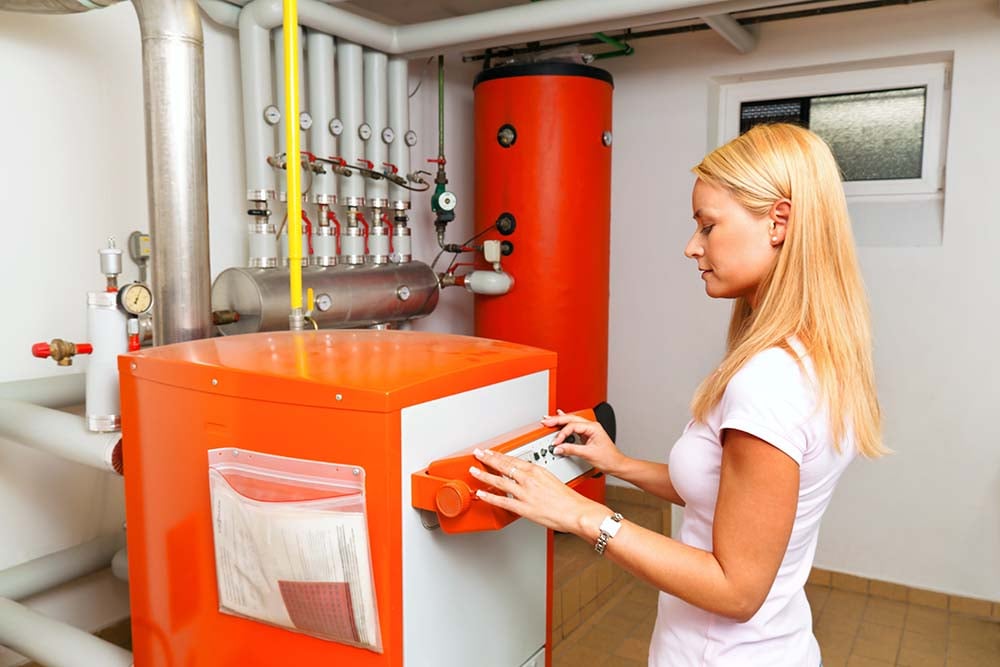
If you heat with heating oil, you should keep an eye not only on your heating system but also on your tank: Inspecting a heating oil tank means detecting leaks, corrosion, or defective safety devices early enough and taking action at the right time. This protects your building, the groundwater, and ultimately your heating costs.
To ensure you’re well-informed and know exactly what to look for, this article explains the most important types of inspections, lists typical deadlines, and provides guidance on when you should have your heating oil tank inspected. As the operator, you can perform simple visual inspections yourself on a regular basis; however, if an inspection is required by law, if you’re unsure, if visible damage occurs, or if the location presents special challenges, you should consult a specialized company or an expert.

Heating Oil Tank Inspection: An Overview of the Most Important Types of Inspections
If you want to have a heating oil tank inspected, the first step is to determine the appropriate type of inspection: Not all inspections are the same. There is the regular visual inspection performed by you as the operator, as well as the technical inspection by experts in accordance with the AwSV (Regulation on Facilities for Handling Substances Hazardous to Water). In addition, there is the leak test of the oil tank upon commissioning, after significant modifications, or upon decommissioning.
The following table provides a general guide to which type of inspection is intended for which purpose. Details depend not only on the type of tank but also on its volume and location.

| Inspection Type | Typical Occasion | Who performs it? |
| Operator inspection (visual inspection) | Regularly, at least once a year | Homeowners / Operators |
| Recurring expert inspection | According to statutory deadlines (AwSV) | Certified expert |
| Leak test / inspection prior to commissioning | New Tank, Conversion, Decommissioning | Inspector or qualified specialist company |
Note: All information regarding deadlines and costs is approximate. The tank type, volume, location (e.g., water protection or flood zone), and the relevant authority are binding.
What Matters When It Comes to the Inspection Requirement for Your Oil Tank
Whether you are required to have an oil tank inspected depends on several factors. The following points are particularly relevant in practice:
-
Tank type: Underground tanks are generally subject to stricter inspection requirements than many above-ground tanks located in basements. Depending on the location, recurring expert inspections for above-ground tanks may only be required for tanks above a certain volume.
- Tank size: Small basement tanks below certain thresholds are often not subject to periodic inspections outside of protected areas. Underground systems, on the other hand, frequently are. The exact threshold depends on the location and the AwSV appendix.
-
System location: In water protection or flood zones, shorter inspection intervals and lower thresholds apply. Check with the responsible water authority to determine whether your property is affected.
-
Age and condition: Older systems without current inspection documentation or with visible damage (rust, moisture, odors, unclear fill levels) should be professionally inspected regardless of the inspection deadlines.
Documentation: Inspection reports, operating instructions, and records of previous repairs should be included in the system’s documentation. Authorities or buyers typically require these documents when the system is sold or modernized.
As the operator, you are responsible for keeping the system leak-free and in working order—even between official inspection dates.
How much does it cost to have a heating oil tank inspected?
There is no one-size-fits-all answer to the question of how much it costs to have a heating oil tank inspected. A simple visual inspection by the operator incurs no external inspection costs and is part of the operator’s ongoing responsibilities.
An expert inspection or leak test of the oil tank often costs several hundred euros, depending on the scope, region, and accessibility of the tank—and may exceed that amount for underground systems or when complex measurement technology is required. In addition to the tank size, the type of inspection and any necessary follow-up work are also decisive factors.
To get binding prices, always request a quote from a certified inspector first.

Plan your heating oil supply once the tank is in good condition
A tested, leak-proof tank is the foundation for a reliable heat supply. Only once the system and safety features are in order is it worth planning your next delivery. Using the heating oil price calculator on mbenergy.com, you can enter the quantity and delivery location and transparently coordinate your future supply.
As a regional energy partner, we reliably deliver heating oil to suitable, technically sound tanks—from the order to professional filling. This way, your supply remains predictable!